

what is wired glass used for
Understanding Square Knife Gate Valves Overview and Applications Knife gate valves have been integral components in various industrial applications for decades, and the square knife gate valve is a unique variant boasting specific advantages. Designed for robust service, these valves are primarily used in managing the flow of liquids and slurries within pipelines, especially in environments involving thick, viscous materials. What is a Square Knife Gate Valve? A square knife gate valve features a rectangular or square-shaped body and a gate that resembles a knife. This design enables it to slice through materials effectively, making it ideal for applications involving semi-solid substances, such as slurries, pulp, and bulk materials. The gate's shape allows for a better fit and sealing, minimizing leakage concerns that often arise in traditional round gate valves. The construction of the square knife gate valve typically includes a robust body designed to withstand high pressures and harsh environmental conditions. Various materials such as stainless steel, cast iron, and plastic composites can be used, depending on the application requirements. The choice of materials not only impacts the valve’s durability but also its compatibility with different substances being processed. Advantages of Square Knife Gate Valves 1. Efficient Flow Control The knife-like edge of the gate allows for quick and efficient throttling of fluid flow. This feature is particularly valuable in scenarios where rapid shut-off or flow regulation is necessary. 2. Reduced Wear and Tear Unlike traditional valves, which can suffer from wear due to turbulence created by the fluid, square knife gate valves create less disturbance in the flow, thereby extending the lifespan of the valve. square knife gate valve 3. Versatility These valves can handle a wide range of materials, including those that are abrasive or contain solid particles. This makes them suitable for diverse industries, from wastewater treatment to mining operations. 4. Easy Maintenance The design of square knife gate valves facilitates easy access to internal components, making maintenance straightforward. Regular inspections and minor repairs can typically be conducted without the need for extensive downtime. Applications Square knife gate valves are employed in several industries, each with unique demands and operational environments. Their primary applications include - Pulp and Paper Industries These sectors utilize knife gate valves to manage thick slurries of wood pulp, ensuring minimal clogging and efficient material flow. - Mining and Mineral Processing In mining operations, these valves handle slurries containing high solids loads, allowing for effective separation processes. - Water and Wastewater Treatment In treatment plants, square knife gate valves facilitate the control of water flow, helping to manage sediment and sludge removal. - Food Processing In the food industry, where hygiene is paramount, these valves are designed to meet stringent cleanliness standards while efficiently managing viscous food products. Conclusion Square knife gate valves represent a crucial advancement in valve technology, providing industries with solutions tailored to specific operational challenges. Their unique design and functionality make them indispensable in applications where durability, efficiency, and ease of maintenance are paramount. As industries continue to evolve, the demand for specialized valves like the square knife gate valve will likely increase, making it essential for engineers and operators to remain informed about their benefits and applications. Understanding these valves not only enhances operational efficiencies but also promotes safety and reliability across various industrial processes.
about
what is wired glass used for
Understanding Gate Valves A Focus on 2-inch, 1-inch, and 16-inch Models Gate valves are integral components in various industrial applications, serving as a means to start or stop the flow of liquids and gases. Their simple design and reliable functionality have made them a popular choice in many sectors, including oil and gas, water treatment, and chemical processing. In this article, we will explore gate valves with a focus on the specific sizes of 2-inch, 1-inch, and 16-inch models, discussing their uses, advantages, and crucial considerations for selection and maintenance. Design and Functionality of Gate Valves Gate valves are characterized by a parallel-sided or wedge-shaped gate that, when lifted, allows for the unrestricted flow of fluid. This design enables a gate valve to provide minimal pressure drop, making it highly efficient for applications where a full, unobstructed flow is necessary. Typically operated by a handwheel or actuator, gate valves are ideal for on/off service rather than throttling, which is better suited to other valve types like globe or ball valves. 2-Inch Gate Valve The 2-inch gate valve is a common size for many residential and small industrial applications. This valve provides a balance between size and flow capacity, making it suitable for water supply lines, irrigation systems, and HVAC applications. Its compact nature allows for easy installation in tight spaces. Moreover, the 2-inch model can handle a moderate volume of pressure and flow, making it effective for operational requirements in smaller systems. The 2-inch gate valve is available in various materials, including brass, stainless steel, and cast iron, allowing users to select a valve that best suits their specific application needs in terms of durability and corrosion resistance. Proper installation and regular maintenance—such as periodic checks for leaks and operational tests—are essential for ensuring its longevity and reliable performance. 1-Inch Gate Valve gate valve 2 1 16 The 1-inch gate valve is often deployed in applications requiring precise control over smaller flow rates. This valve size is frequently used in residential plumbing, where it can function effectively in systems managing potable water or cleanliness-sensitive fluids. Its reduced size allows for easier handling and installation in cramped spaces, making it a popular choice for DIY projects and home repairs. In industrial contexts, the 1-inch gate valve is employed for control in ancillary processes or as part of a larger piping network. While it may not handle high flow rates like larger valve sizes, its ability to create a secure seal when fully closed is invaluable in preventing leaks and ensuring system integrity. 16-Inch Gate Valve In contrast, the 16-inch gate valve represents a heavy-duty choice for large-scale industrial applications. Commonly found in water treatment plants, mining operations, and oil pipelines, this valve is engineered to manage high flow volumes and significant pressure ratings. Its substantial size allows it to provide efficient control over large fluid movements, making it indispensable in large infrastructure projects. The 16-inch gate valve's construction must withstand demanding conditions, often requiring materials with high tensile strength and resistance to corrosive elements. Regular maintenance practices, including routine inspections and testing of sealing surfaces, are critical for these valves to ensure they function effectively over time. Users should pay particular attention to factors such as wear and tear, especially in applications where the valve operates frequently. Choosing the Right Gate Valve Selecting the appropriate gate valve size is crucial for system efficiency and reliability. Factors to consider include the type of fluid being handled, temperature and pressure conditions, and the overall design of the piping system. Additionally, users must assess the compatibility of the valve material with the fluid to prevent deterioration and ensure long service life. In summary, gate valves, whether 2-inch, 1-inch, or 16-inch, serve vital roles across various industries. Each size has its unique applications and advantages, making them versatile tools for controlling fluid dynamics. Proper selection based on operational needs, coupled with steadfast maintenance, will ensure these valves perform at their best, contributing to the overall efficiency and safety of fluid transport systems.
-

High quality industrial productsagement

High quality industrial products
View Details -

Meet the diverse needs of customers

Meet the diverse needs of customers
View Details -

Strict quality control

Strict quality control
View Details -

Top raw materials

Top raw materials
View Details -

Trusted supplier

Trusted supplier
View Details
Our application


news and information
water hose check valve
Understanding the Importance of Water Hose Check Valves Water hose check valves are essential compon
Vibration Reduction Pads
Anti-Vibration Pads A Revolution in Equipment Protection In the modern world, vibration is an inevi
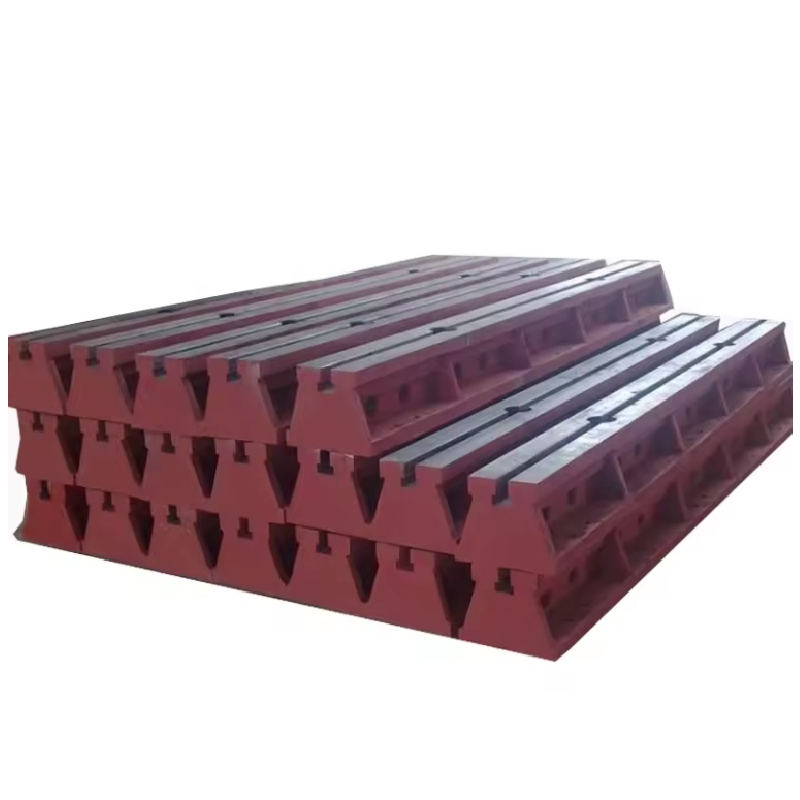
Vee Blocks for Sale - Premium Quality & Competitive Prices
Vee Blocks for Sale A Comprehensive Guide If you are in the manufacturing, engineering, or quality c
 English